Aquaculture Water Quality
Fish Farming & Aquaculture Oxygen & Water Quality Management
Application Overview
Aquaculture facilities — from intensive recirculating aquaculture systems (RAS) to pond-based fish farms and marine hatcheries — depend on precise water quality management for fish health, growth rates, and survival. Dissolved oxygen, pH, ammonia nitrogen, and temperature are the critical parameters that must be continuously monitored and controlled. TL Environment provides submersible sensors and dosing systems designed for the demanding aquaculture environment.
Key Challenges
- Maintaining dissolved oxygen above 6 mg/L for optimal fish growth and survival
- pH control within species-specific ranges (typically 6.5–8.5)
- Ammonia nitrogen monitoring to prevent toxic accumulation in intensive systems
- Continuous monitoring in corrosive saltwater and freshwater environments
- Automated aeration control to reduce energy consumption
- Early warning of water quality deterioration to prevent fish mortality events
Key Monitoring Parameters
- Dissolved Oxygen (mg/L)
- pH
- Ammonia Nitrogen (NH₃-N)
- Temperature (°C)
- Conductivity / Salinity
- Turbidity / NTU
Need a Custom Solution?
Our engineers can design a complete instrumentation package for your specific process requirements.
Contact Engineering TeamProducts for Aquaculture Water Quality
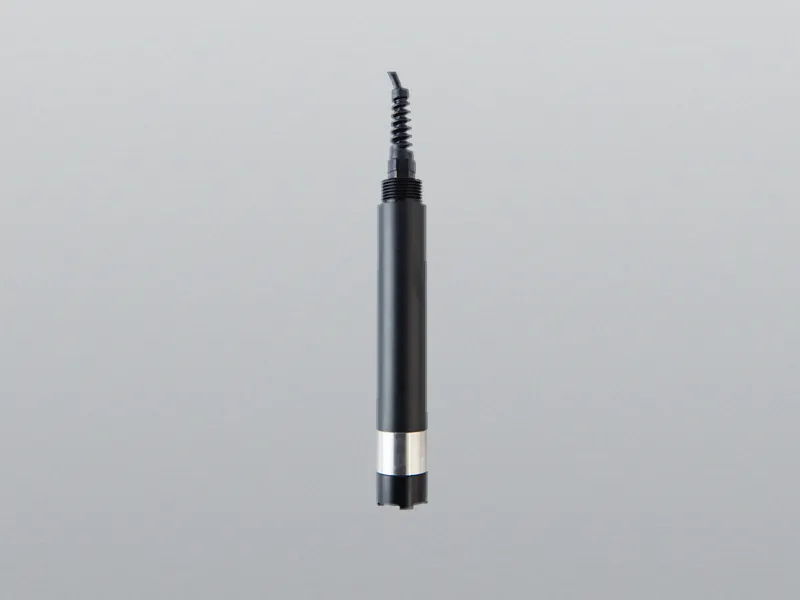
Dissolved Oxygen Sensor
Continuous DO monitoring for aeration control and fish health management
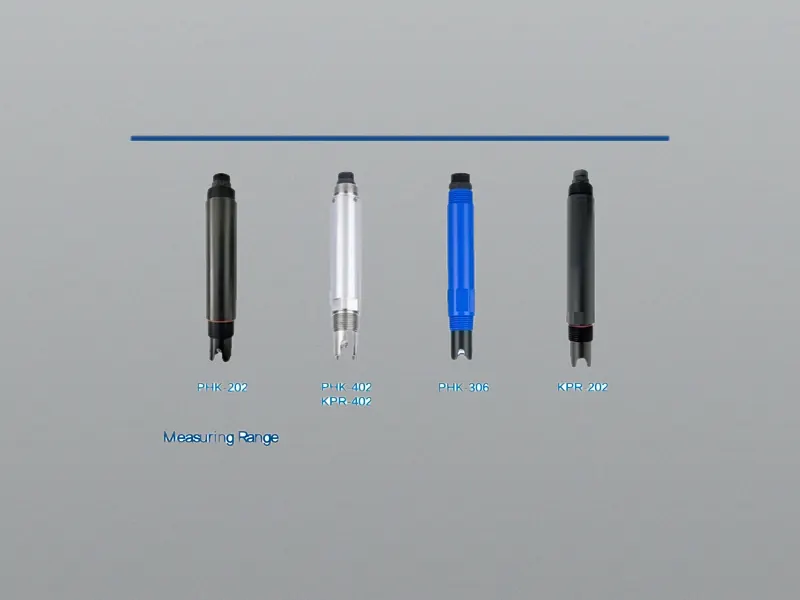
pH / ORP Sensor
Continuous pH monitoring for species-specific water quality management
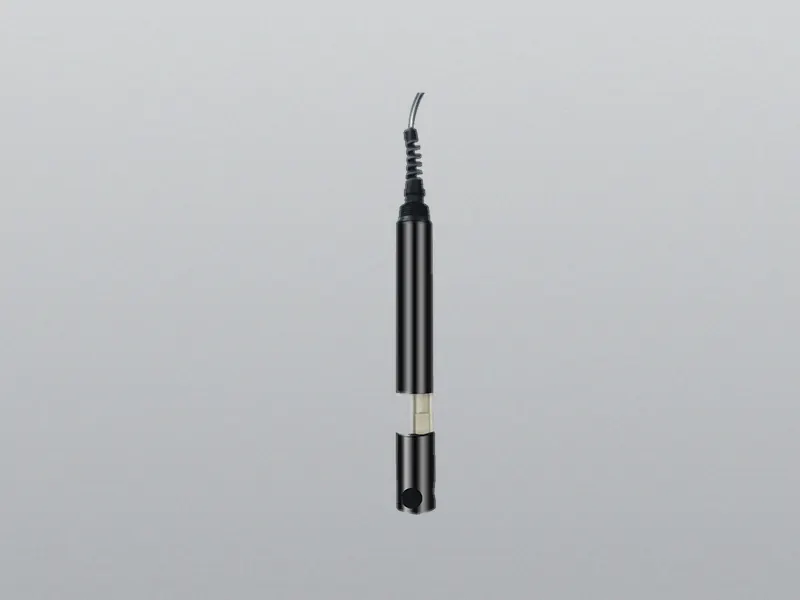
Ammonia Nitrogen Sensor
Real-time ammonia monitoring to prevent toxic accumulation in intensive RAS systems
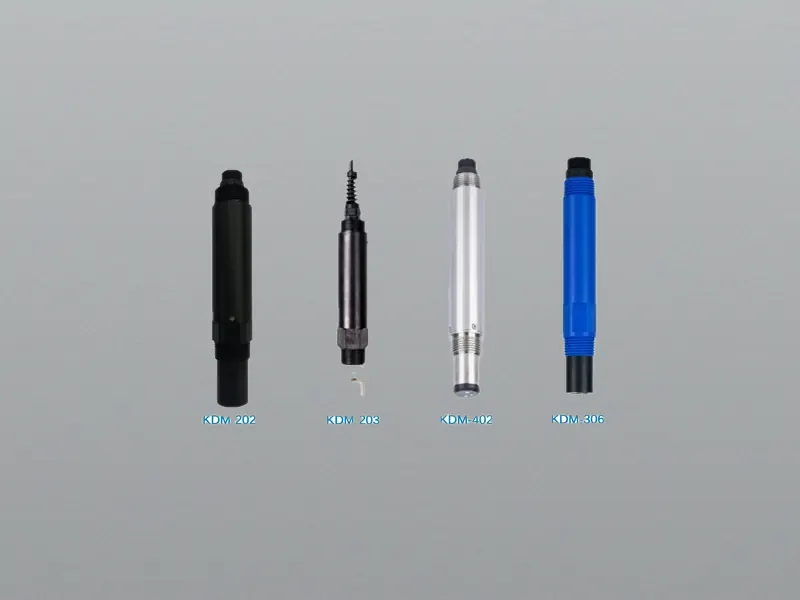
Conductivity Sensor
Salinity and conductivity monitoring for marine and brackish water species
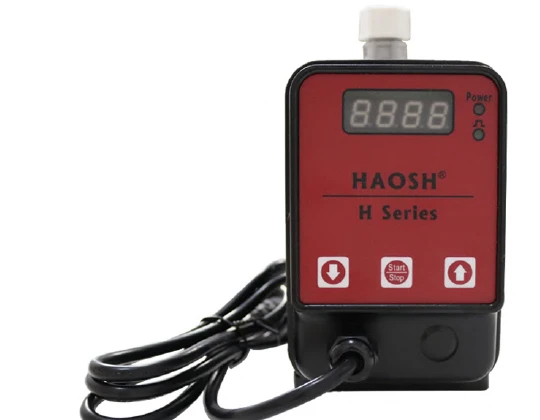
Solenoid Diaphragm Metering Pump
Dosing of lime, sodium bicarbonate, or acids for pH adjustment
Process & Instrumentation Overview
Incoming water is filtered and treated before entering fish tanks or ponds.
DO sensors control aeration blowers or pure oxygen injection to maintain target DO levels.
pH sensors trigger metering pump dosing of lime or acid to maintain species-specific pH range.
Ammonia sensors provide early warning of biological filter failure or overfeeding events.
Multi-parameter monitoring determines water exchange frequency and volume in RAS systems.
Chemical Dosing Points
| Dosing Location | Chemical | Recommended Equipment | Purpose |
|---|---|---|---|
| Aeration / Oxygenation Point | Oxygen (pure O₂ or air) | Aeration Control System (DO sensor + blower/valve) | Maintain DO above 5 mg/L for fish health |
| Pond / Tank Inlet | Lime (Ca(OH)₂) or NaOH | Solenoid Diaphragm Metering Pump (H Series) | pH adjustment to maintain 7.0–8.5 |
| Recirculating System (RAS) | Dechlorination agent (Na₂S₂O₃) | Solenoid Diaphragm Metering Pump | Remove residual chlorine from municipal make-up water |
Water Quality Monitoring Points
DO Sensor + pH Sensor + Temperature Probe
Turbidity Sensor + Conductivity Sensor + Chlorine Sensor
Multi-parameter Online Analyzer
Typical System Configuration
Information Required for Solution Design
To provide an accurate system recommendation, please prepare the following information before contacting our engineers:
Ready to discuss your project?
Send us your parameters and receive a tailored solution design within 24 hours.
Frequently Asked Questions
Ready to Specify Instrumentation for Your Aquaculture Water Quality Project?
Share your process parameters and our engineering team will recommend the most suitable products, provide datasheets, and prepare a quotation.