Wastewater Treatment
Municipal & Industrial Effluent Treatment Solutions
Application Overview
Wastewater treatment plants — from municipal sewage works to industrial effluent treatment systems — require precise chemical dosing for coagulation, flocculation, pH adjustment, and disinfection. Continuous online monitoring of pH, dissolved oxygen, turbidity, COD, and ammonia nitrogen is essential for process control and regulatory compliance. TL Environment provides the complete instrumentation package for every stage of the wastewater treatment process.
Key Challenges
- Accurate dosing of coagulants, flocculants, and disinfectants across variable flow rates
- Continuous monitoring of effluent quality parameters for discharge compliance
- Reliable flow measurement in large-diameter pipes carrying mixed liquids and sludge
- Aeration control in biological treatment stages based on real-time dissolved oxygen data
- Ammonia nitrogen and COD monitoring for nutrient removal process optimization
- 24/7 unattended operation with minimal maintenance requirements
Key Monitoring Parameters
- pH / ORP
- Dissolved Oxygen (DO)
- Turbidity / NTU
- COD / BOD
- Ammonia Nitrogen (NH₃-N)
- Flow Rate / Totalized Volume
Need a Custom Solution?
Our engineers can design a complete instrumentation package for your specific process requirements.
Contact Engineering TeamProducts for Wastewater Treatment
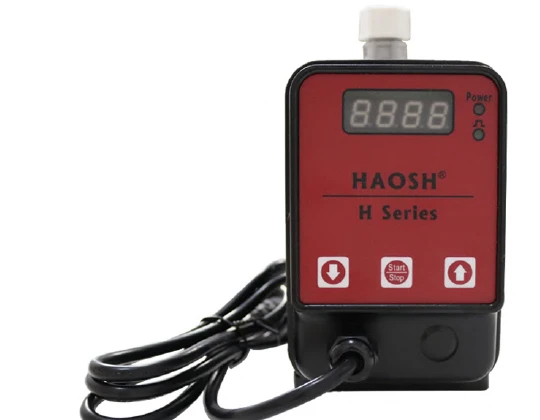
Solenoid Diaphragm Metering Pump
Precise dosing of coagulants, flocculants, and disinfectants at controlled flow rates
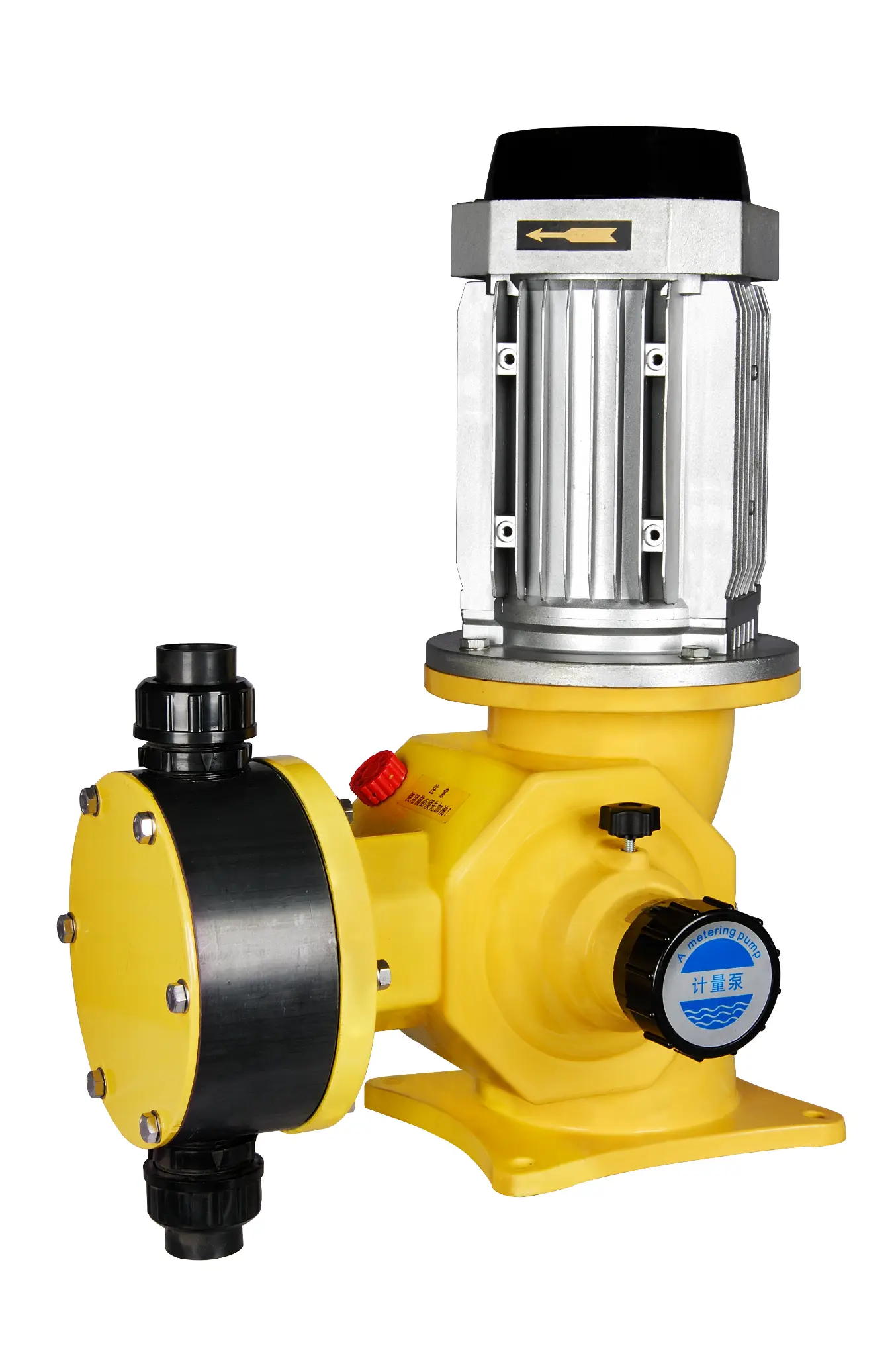
Mechanical Diaphragm Metering Pump
High-flow chemical dosing for large-scale treatment plants with 4–20 mA control
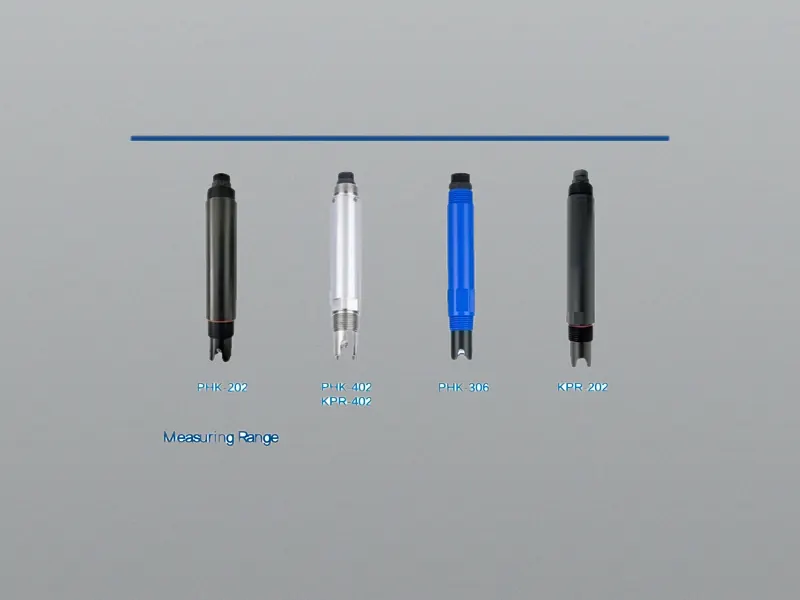
pH / ORP Sensor
Continuous pH monitoring for coagulation control and effluent pH compliance
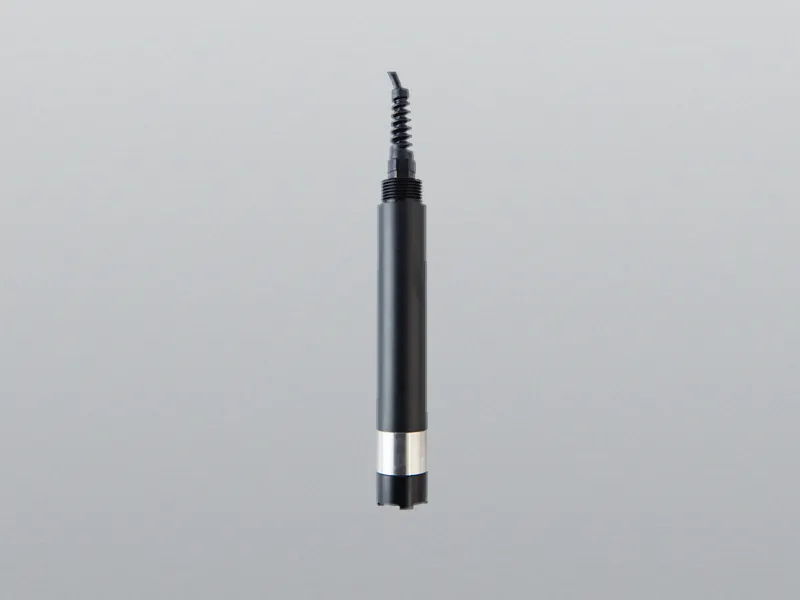
Dissolved Oxygen Sensor
Real-time DO monitoring for aeration control in activated sludge processes
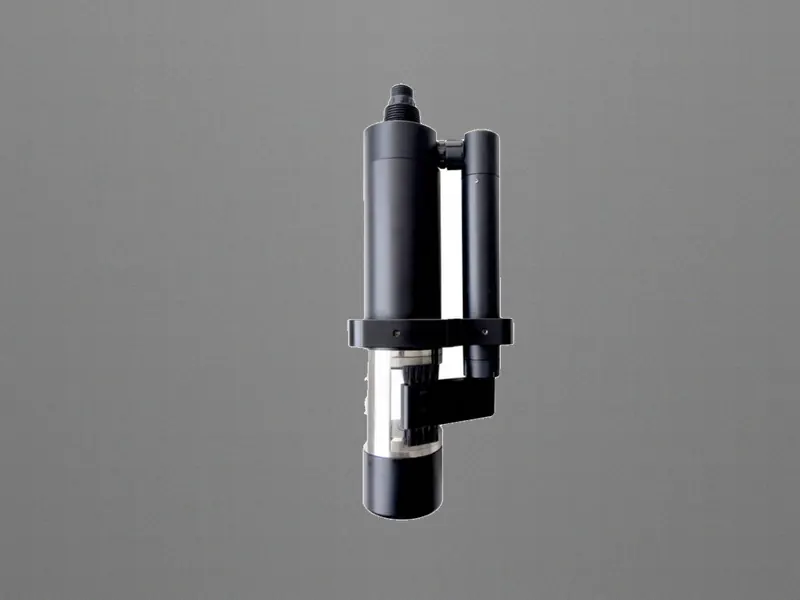
Turbidity Sensor
Effluent turbidity monitoring for discharge compliance and filter performance
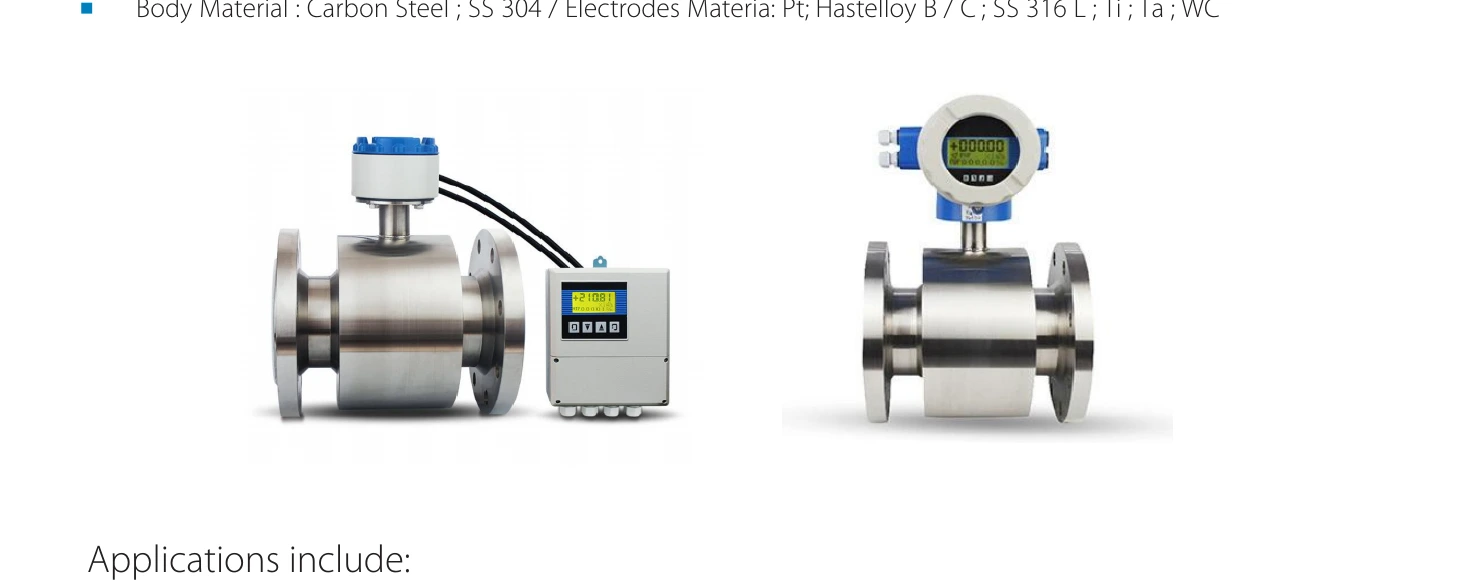
Electromagnetic Flowmeter
Accurate flow measurement for influent, effluent, and sludge lines
Process & Instrumentation Overview
Flow measurement at inlet to track influent load and trigger dosing systems.
Metering pumps dose coagulants (PAC, FeCl₃) and flocculants with precise flow control.
Turbidity sensors monitor settled effluent quality before biological treatment.
DO sensors control aeration blowers; pH sensors monitor biological process stability.
Turbidity and suspended solids sensors verify clarifier performance.
Metering pumps dose chlorine or NaOCl; chlorine sensors verify residual concentration.
Multi-parameter sensors (pH, turbidity, COD, NH₃-N) and flowmeters provide compliance data.
Chemical Dosing Points
| Dosing Location | Chemical | Recommended Equipment | Purpose |
|---|---|---|---|
| Inlet / Screening | None | Electromagnetic Flowmeter (DN50–DN600) | Measure influent flow rate for dosing pump control |
| Coagulation Tank | PAC (Polyaluminum Chloride) | Mechanical Diaphragm Metering Pump (HJ-W Series) | Coagulant dosing proportional to influent flow |
| Flocculation Tank | PAM (Polyacrylamide) | PAM Preparation & Dosing System | Flocculant dosing for sludge aggregation |
| Disinfection Contact Tank | Sodium Hypochlorite (NaOCl) | Solenoid Diaphragm Metering Pump (H Series) | Disinfectant dosing controlled by chlorine sensor feedback |
| pH Adjustment Tank | H₂SO₄ or NaOH | Hydraulic Diaphragm Metering Pump (HJ-Z Series) | pH correction before discharge |
Water Quality Monitoring Points
Electromagnetic Flowmeter + pH Sensor + Turbidity Sensor
DO Sensor + pH/ORP Sensor
Turbidity Sensor (TL-TU Series)
Chlorine Sensor + pH Sensor
Multi-parameter Online Analyzer + Flowmeter
Typical System Configuration
Information Required for Solution Design
To provide an accurate system recommendation, please prepare the following information before contacting our engineers:
Ready to discuss your project?
Send us your parameters and receive a tailored solution design within 24 hours.
Frequently Asked Questions
Ready to Specify Instrumentation for Your Wastewater Treatment Project?
Share your process parameters and our engineering team will recommend the most suitable products, provide datasheets, and prepare a quotation.